



If you’ve been following the UFC for years, the feeling is hard to ignore.
Why UFC Feels Different Today — And How Fans Can Get More From Every Fight
8 min read
There was a time when every fight card felt like an event. Fans would plan their weekends around it, debates would start days in advance, and by fight night the anticipation was already at its peak.
Today, the routine looks different.
People still search for UFC tonight, check the schedule, scroll through fight cards - but the urgency isn’t always the same. Some events feel skippable. Others pass without much discussion the next day.
So is the UFC actually losing momentum 0 or is something else going on?
The End of the Superstar Era

For a long time, the UFC was driven by a handful of fighters who carried the sport beyond its core audience.
Conor McGregor wasn’t just a champion - he was a global attraction.
Khabib Nurmagomedov brought a different kind of dominance and narrative.
Ronda Rousey helped break the sport into the mainstream.
These weren’t just athletes - they were moments in time.
Today, the UFC roster is arguably deeper and more competitive than ever. Champions are more well-rounded, divisions are stacked, and the overall level of skill continues to rise.
But there’s a trade-off.
There is no single figure pulling the entire spotlight. Attention is spread across many fighters, which makes the sport stronger competitively - but less explosive culturally.
More Events, Different Expectations
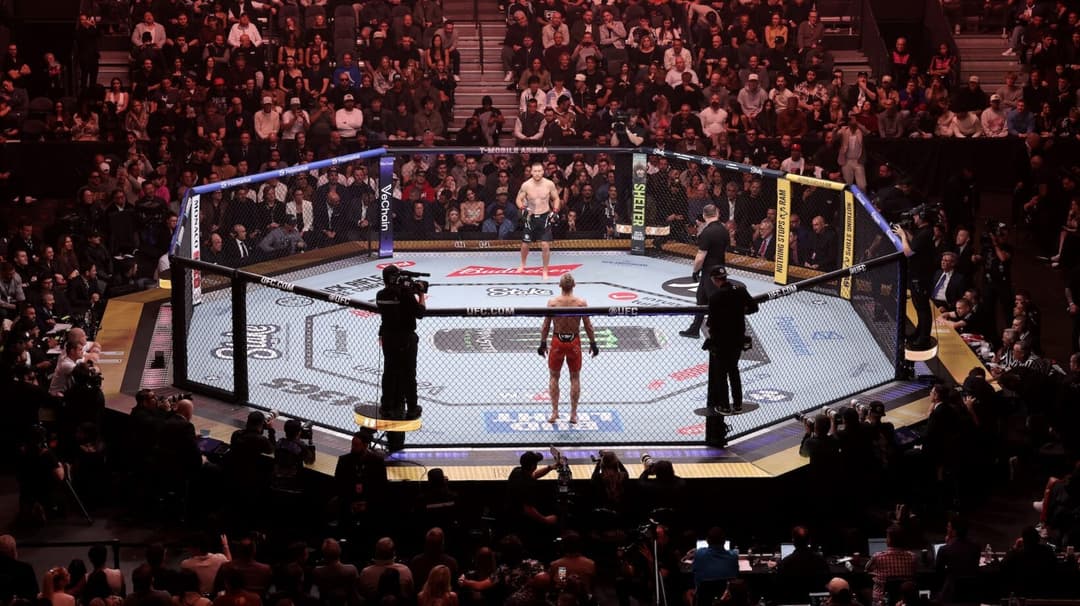
Another major shift is frequency.
The UFC now runs events almost every week. On paper, this should be a dream for fans: more fights, more content, more opportunities to engage.
In reality, it changes how fans consume the sport.
Instead of every event feeling essential, many become optional. Fans pick and choose. Some watch highlights instead of full cards. Others only tune in for big names.
It’s not that there’s less action - there’s more than ever.
But when everything is available all the time, fewer things feel special.
The Noise Around the Sport

At the same time, the environment around MMA has changed.
The UFC is no longer competing only with other sports. It’s competing with everything - streaming platforms, social media, influencer boxing, viral content.
This naturally pushes promotion in a different direction.
More storytelling. More controversy. More attention-grabbing moments.
Sometimes it works. Sometimes it overshadows the sport itself.
For fans who care about technique and competition, this shift can feel like a distraction rather than an upgrade.
The Real Issue: Understanding What You’re Watching

But beneath all of this, there’s a deeper problem - one that often goes unnoticed.
MMA is one of the most complex sports in the world, yet most fans experience it on a very surface level.
A fighter looks aggressive - so he must be winning.
A big strike lands - so it must be decisive.
Commentary leans one way - and perception follows.
But fights are rarely that simple.
Control time, efficiency, damage, positioning - all of these factors shape a fight, often in subtle ways. And when those details aren’t clear, the fight can feel boring or even uneventful.
That’s why so many decisions seem controversial.
Not because they’re always wrong- but because they’re not fully understood.
Why Stats Alone Aren’t Enough
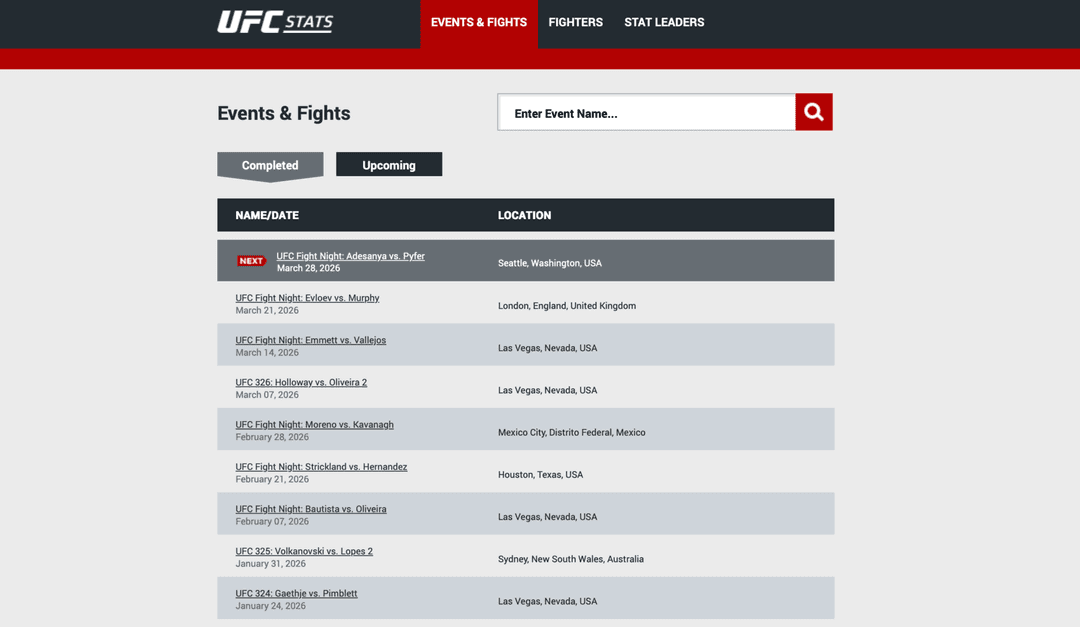
Over the years, more data has become available.
Fans can now with UFC Stats check strikes, takedowns, submission attempts - the raw numbers behind every fight.
But numbers alone don’t tell the story.
A fighter can land more strikes and still lose a round.
Control doesn’t always equal dominance.
Damage is difficult to measure in simple stats.
Without context, data becomes just another layer of noise.
A Different Approach: Turning Data Into Insight
In other sports, this exact problem led to the rise of analytics.
Not just more data - but better interpretation.
Instead of asking “how many,” the focus shifted to “how effective,” “how efficient,” and “what does it mean?”
MMA is slowly moving in the same direction.
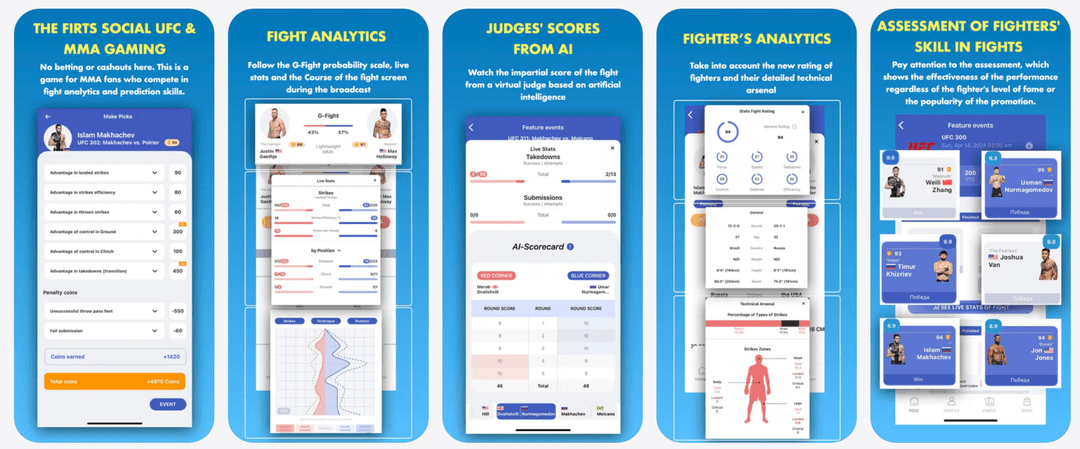
Tools like Stats Fight app are part of that shift, offering a way to see fights through a more structured lens.
Instead of only showing numbers, they translate them into insights:
- who is actually ahead in real time
- how strong that advantage is
- how judges are likely to score the round
It doesn’t remove uncertainty - it reduces confusion.
Watching Fights Differently

Once you start seeing fights this way, the experience changes.
Close rounds become more intense.
Momentum shifts become visible.
Even lower-profile fights gain meaning.
You’re no longer just reacting - you’re reading the fight as it develops.
And that changes how engaging the sport feels.
From Passive Watching to Active Involvement
Another shift is happening alongside this - interaction.
In sports like the NFL or NBA, fantasy games transformed how fans engage. Suddenly, every game mattered more, because fans had something at stake.
MMA is starting to explore the same idea.
Apps like Stats Fight introduce a format where fans don’t just watch fights - they predict them, build lineups, and compete based on their understanding of matchups.
It’s not about luck.
It’s about how well you read the sport.
And that adds a completely new layer to every event.
What This Means for UFC in 2026
So is the UFC declining?
Not exactly.
The sport is evolving - but the way fans engage with it hasn’t fully caught up.
There are more fights, more talent, and more data than ever before.
But without the right tools, it’s harder to fully appreciate what’s happening.
Conclusion: The Next Step for Fans
For years, being a fan meant watching fights and following big names.
Now, it’s becoming something deeper.
Understanding matchups.
Seeing patterns.
Interpreting what happens inside the cage.
The tools are finally catching up to the complexity of the sport.
And for fans who are willing to look a little closer,
the experience becomes not just more informative -
but far more engaging.
FAQ
Frequently asked questions
Is UFC actually losing popularity in 2026?
Not exactly. The UFC is still one of the biggest combat sports organizations in the world, and search demand for things like UFC tonight, UFC schedule, and UFC fight cards remains strong. What has changed is how fans engage with the sport. Instead of a few superstar-driven events, attention is now spread across many fighters and weekly cards. Tools like Stats Fight app help fans stay engaged by adding real-time context and deeper understanding to every fight.
Why do some UFC events feel less exciting today?
The UFC runs more events than ever, which naturally changes perception. When fights happen every week, fewer cards feel “must-watch.” At the same time, many fans don’t fully understand what’s happening inside the cage, especially in close or tactical fights. Using apps like Stats Fight can make even low-profile fights more engaging by showing live stats, momentum shifts, and fight dynamics in real time.
Where can I check UFC tonight fights and schedule?
You can find the UFC schedule and fight cards on official sites and media platforms, but many fans prefer all-in-one tools. Apps like Stats Fight combine upcoming events, fighters, and fight cards with live updates, making it easier to follow UFC tonight without switching between multiple sources.
What is the best way to understand UFC fights better?
The key is moving beyond basic stats and focusing on context - how effective strikes are, who controls the pace, and how rounds are scored. This is where analytics becomes important. Stats Fight app helps by translating raw data into insights like win probability and AI-based scorecards, making fights easier to read as they happen.
Are UFC stats reliable for analyzing fights?
Basic UFC stats (like strikes and takedowns) are useful, but they don’t always tell the full story. A fighter can land more strikes and still lose a round depending on damage or control. That’s why interpretation matters. Apps like Stats Fight add an extra layer by turning stats into meaningful indicators of performance and dominance.
Why are UFC decisions often controversial?
Many controversial decisions come down to how fights are perceived versus how they are actually scored. Judges evaluate damage, control, and effectiveness — not just volume or aggression. Without clear data, fans rely on commentary or visuals, which can be misleading. Tools like Stats Fight app provide AI-generated scorecards and objective metrics that help explain how rounds are likely being judged.
How can I make better UFC predictions?
Most fans rely on records or hype, but accurate UFC predictions require deeper analysis - styles, cardio, efficiency, and matchup dynamics. Using analytical tools like Stats Fight app allows you to evaluate fighters more objectively and even track trends across multiple fights, improving both pre-fight and live predictions.
Is there a way to make UFC fights more engaging as a fan?
Yes - by becoming an active participant instead of just a viewer. Fantasy formats and prediction-based experiences make every fight more meaningful. Stats Fight app offers a system where you can draft fighters, predict outcomes, and compete with others, turning every UFC event into an interactive experience.
Can I use live stats during fights?
Live stats are available on some platforms, but they are often limited or delayed. Stats Fight app focuses specifically on real-time data, allowing fans to track momentum, evaluate performance, and even spot shifts in the fight before they become obvious on broadcast.